No products added!

Written by
cleomecoin
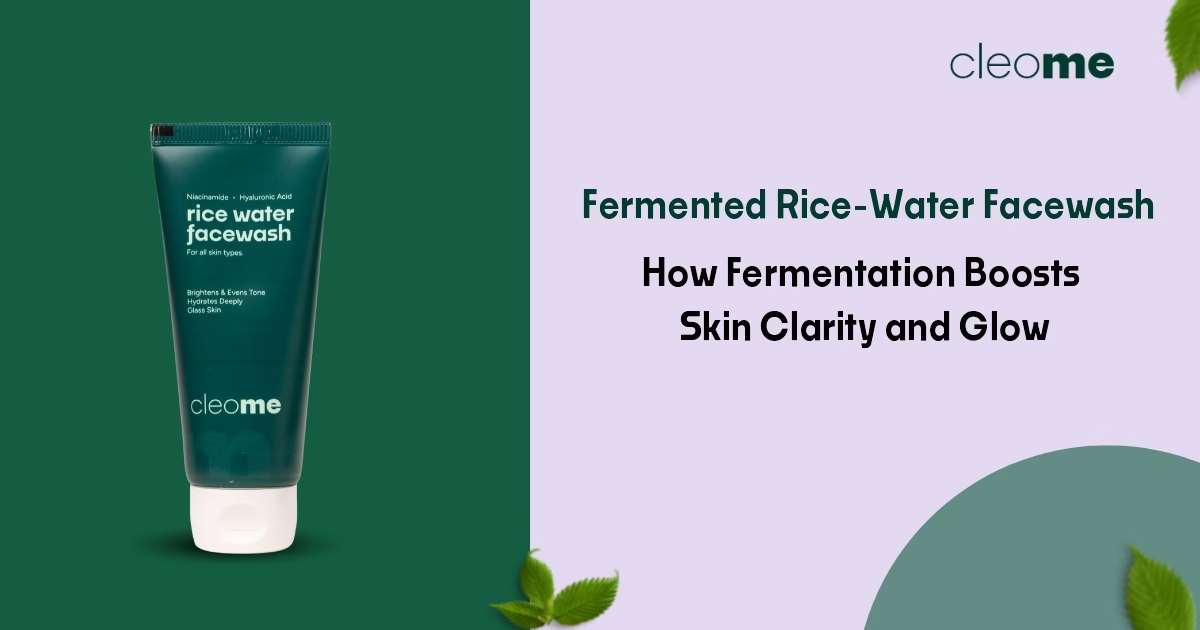
Rice water has been a beauty staple across cultures for generations, praised for its gentle cleansing and glow-enhancing properties. Today, it’s easy to find both homemade recipes and professionally formulated products featuring rice water. But when it comes to choosing between a DIY option and a store-bought Rice-water facewash, which one truly delivers better results?
Let’s break it down so you can make an informed choice for your skin.
Understanding Rice Water in Skincare
Rice water is rich in amino acids, antioxidants, and vitamins that help cleanse, soothe, and refresh the skin. It’s often associated with brighter-looking skin and a smoother texture. However, how rice water is prepared and preserved makes a significant difference in its effectiveness and safety.
DIY Rice-water Facewash: Pros and Cons
Making rice water at home seems simple – rinse rice, soak or ferment it, and use the water as a cleanser. The biggest advantage is freshness and minimal cost. You control the ingredients and avoid synthetic additives.
That said, DIY rice water comes with drawbacks. It lacks stability, meaning it can spoil quickly and harbor bacteria if not stored correctly. The concentration of nutrients is also inconsistent, so results vary from batch to batch. For sensitive or acne-prone skin, this unpredictability can sometimes lead to irritation rather than the desired glow.
Store-bought Rice-water Facewash: Pros and Cons
A professionally formulated Rice-water facewash is designed for safety, consistency, and enhanced performance. These products often combine rice water with complementary ingredients that boost skin benefits. For example, many modern cleansers include activities like niacinamide, making them comparable to a niacinamide face wash that helps refine skin texture and improve overall clarity.
Store-bought options undergo quality testing, ensuring longer shelf life and controlled ingredient levels. The downside can be cost and the presence of preservatives but these are usually added to maintain product safety and effectiveness, not to harm the skin.
Which Option Delivers Better Brightening?
If your primary goal is visible radiance, consistency matters. DIY rice water may offer a mild, temporary glow, but results are often subtle. On the other hand, store-bought formulations are designed to work as a brightening face wash, combining rice water with proven brightening agents that support an even-looking complexion over time.
When searching for the best skin brightening face wash, it’s important to consider not just the hero ingredient, but also the formulation science behind it. Balanced pH levels, stable activities, and gentle surfactants all play a role in how your skin responds.
DIY or Store-bought: Final Verdict
DIY rice-water facewash can be a fun, natural experiment for short-term use, especially if you enjoy hands-on skincare. However, for long-term, reliable results – especially if you’re focused on brightening, clarity, and skin comfort – a store-bought rice-water facewash is usually the smarter choice. It offers consistency, safety, and enhanced benefits that homemade versions simply can’t guarantee.
Key Takeaways
Both DIY and store-bought rice-water facewashes have their place, but your lifestyle, skin type, and expectations should guide your decision. If you value convenience, proven formulations, and visible results, professionally crafted products are worth the investment. Brands like Cleome focus on combining traditional ingredients like rice water with modern skincare science, helping you enjoy the glow-enhancing benefits without the guesswork.
FAQs
1. Is rice water good for daily face washing?
A: Rice water can be gentle enough for daily cleansing when formulated correctly. While homemade rice water may be too unpredictable for everyday use, a professionally made Rice-water facewash is designed with balanced pH and stabilizers, making it suitable for regular use without disrupting the skin barrier.
A: Rice water can be gentle enough for daily cleansing when formulated correctly. While homemade rice water may be too unpredictable for everyday use, a professionally made Rice-water facewash is designed with balanced pH and stabilizers, making it suitable for regular use without disrupting the skin barrier.
2. Can DIY rice water cause skin problems?
A: Yes, DIY rice water can sometimes cause issues. Because it lacks preservatives, it can spoil quickly and develop bacteria. This may lead to irritation or breakouts, especially for sensitive skin. Proper storage and short usage periods are essential, but even then, results can vary.
A: Yes, DIY rice water can sometimes cause issues. Because it lacks preservatives, it can spoil quickly and develop bacteria. This may lead to irritation or breakouts, especially for sensitive skin. Proper storage and short usage periods are essential, but even then, results can vary.
3. Are store-bought rice-water face washes better than DIY options?
A: Store-bought rice-water face washes are generally more effective and safer than DIY versions because they are professionally formulated and dermatologically tested. Brands like Cleome blend rice water with stable, skin-friendly ingredients to ensure consistent brightening results without irritation. Unlike homemade rice water, these cleansers maintain proper pH balance, longer shelf life, and reliable performance, making them a better choice for daily skincare routines.
A: Store-bought rice-water face washes are generally more effective and safer than DIY versions because they are professionally formulated and dermatologically tested. Brands like Cleome blend rice water with stable, skin-friendly ingredients to ensure consistent brightening results without irritation. Unlike homemade rice water, these cleansers maintain proper pH balance, longer shelf life, and reliable performance, making them a better choice for daily skincare routines.
94
Related Posts
April 13, 2026

April 9, 2026