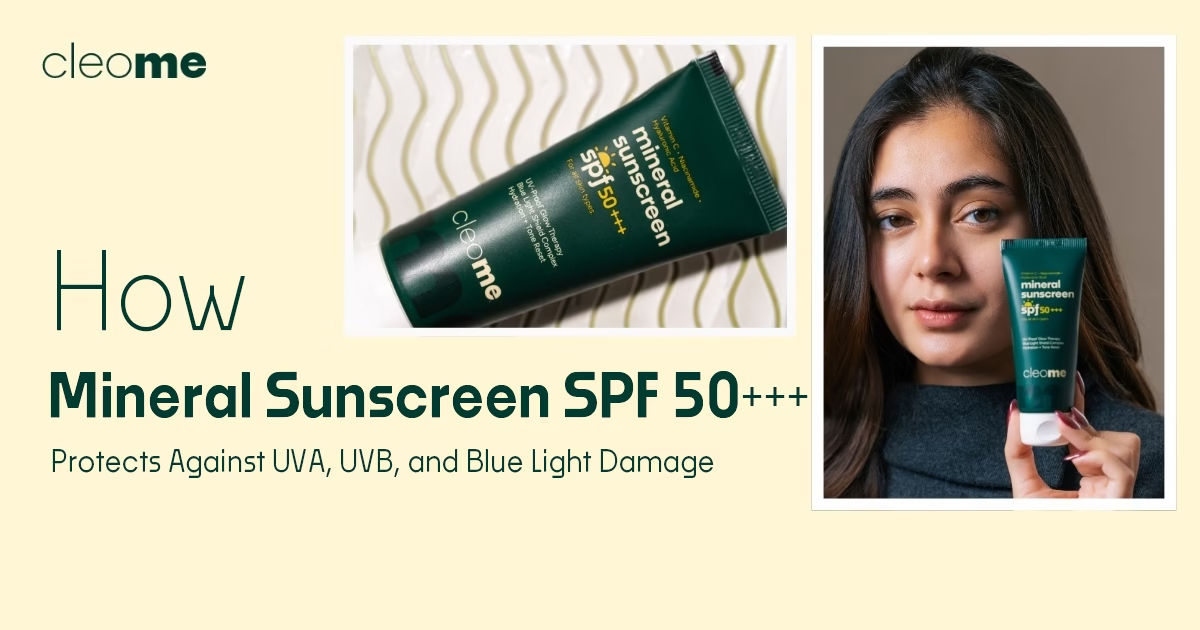
Daily sun exposure is one of the leading causes of premature aging, pigmentation, and long-term skin damage. A mineral sunscreen SPF 50+++ offers broad-spectrum protection that goes beyond just preventing sunburn – it shields the skin from UVA rays, UVB rays, and even blue light emitted from digital screens. Understanding how this protection of sunscreen for all skin types works can help you choose the right sunscreen for everyday use.
Understanding UVA, UVB, and Blue Light Damage
UVA rays penetrate deep into the skin and are responsible for fine lines, wrinkles, and collagen breakdown. UVB rays affect the skin’s surface and are the main cause of sunburn and DNA damage. Blue light, also known as HEV (High Energy Visible) light, comes from the sun and electronic devices and contributes to hyperpigmentation, dullness, and oxidative stress.
A mineral sunscreen SPF 50+++ creates a physical barrier on the skin’s surface, reflecting these harmful rays before they can penetrate. This makes it a reliable sunscreen, including sensitive and acne-prone skin.
How Mineral Filters Work
Unlike chemical sunscreens that absorb UV radiation and convert it into heat, mineral sunscreens use zinc oxide and titanium dioxide to deflect rays. These ingredients sit on top of the skin and act like microscopic mirrors. Zinc oxide, in particular, provides excellent coverage against both UVA and UVB rays, ensuring true broad-spectrum protection.
The high SPF 50+++ rating means the sunscreen blocks approximately 98% of UVB rays, making it the best SPF for all skin types when daily sun exposure is unavoidable.
Protection Against Blue Light and Environmental Stress
Modern mineral sunscreens are often enriched with antioxidants and iron oxides, which help neutralize free radicals generated by blue light exposure.
This added layer of defense is crucial for people who spend hours on smartphones, laptops, or under indoor lighting. Regular use helps prevent uneven skin tone and premature aging caused by cumulative digital exposure.
Suitable for Oily, Dry, and Sensitive Skin
One of the biggest advantages of mineral formulations is their skin-friendly nature. A lightweight, non-comedogenic mineral formula works effectively as a sunscreen cream for oily skin, controlling excess shine without clogging pores. At the same time, hydrating ingredients keep dry skin comfortable and nourished.
Dermatologists often favor mineral sunscreens because they are less likely to cause irritation or allergic reactions. This makes them the best sunscreen for all skin types dermatologist recommended, especially for individuals with rosacea, acne, or post-procedure skin.
Why SPF 50+++ Is Ideal for Daily Use
Using a high-SPF mineral sunscreen daily helps prevent sun-induced pigmentation, reduces the risk of skin cancer, and maintains overall skin health. Reapplying every two to three hours during sun exposure ensures consistent protection, whether you’re outdoors or indoors near screens.
Bottom Line
Choosing a mineral sunscreen SPF 50+++ is a smart investment in long-term skin health. Its ability to block UVA, UVB, and blue light damage makes it an essential part of any skincare routine. Brands like Cleomeare focusing on advanced mineral formulations that combine high protection with skin comfort, making daily sun care both effective and effortless.
FAQs
1. Is mineral sunscreen better than chemical sunscreen for daily use?
A. Mineral sunscreen is often preferred for daily use because it provides immediate protection and is gentle on the skin. It sits on the surface and reflects UV rays, reducing the risk of irritation. Dermatologists frequently recommend it as a sunscreen for all skin types, especially for sensitive or acne-prone skin. Its broad-spectrum coverage and stability make it ideal for consistent, everyday protection.
2. Can SPF 50+++ sunscreen be used on oily and acne-prone skin?
A. Yes, SPF 50+++ mineral sunscreens can be safely used on oily and acne-prone skin when formulated correctly. A lightweight, matte-finish sunscreen cream for oily skin helps control excess oil while protecting against UV and blue light damage. Look for non-comedogenic formulas with zinc oxide to prevent clogged pores and breakouts.
3. What is the best SPF level recommended by dermatologists?
A. Most dermatologists advise using at least SPF 30 for daily wear, but SPF 50+++ is often considered the best SPF for all skin types for enhanced protection. Higher SPF offers better defense against prolonged sun exposure, pigmentation, and premature aging. Consistent application and reapplication are just as important as the SPF number itself.