No products added!
Written by
cleomecoin
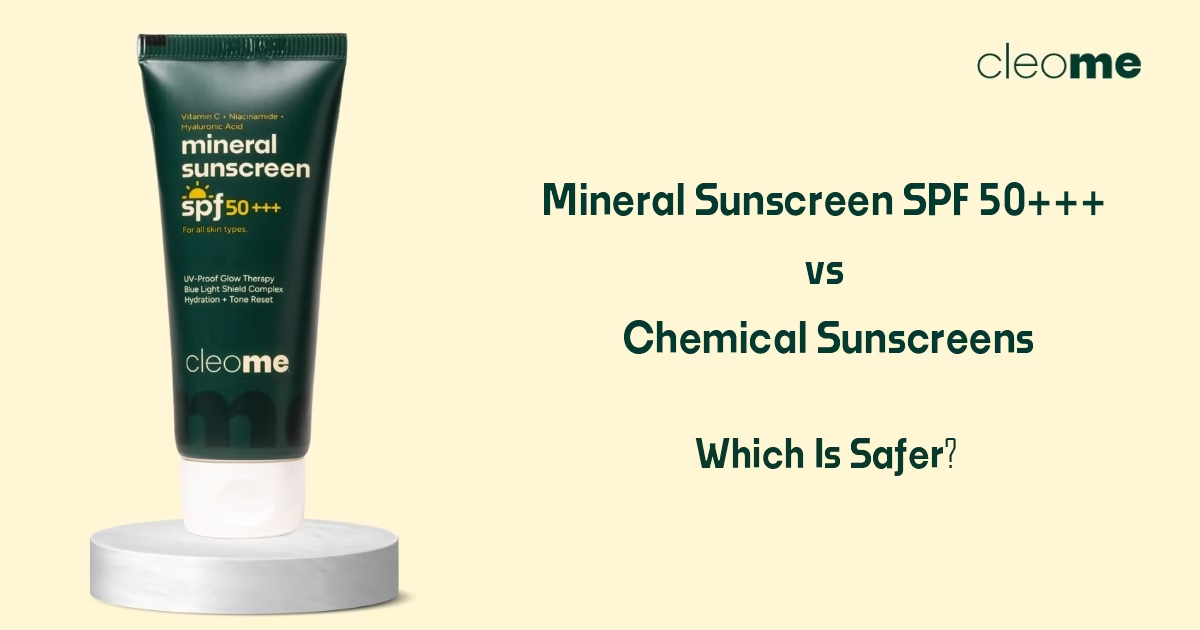
Sun protection is essential for maintaining healthy skin, preventing tanning, and avoiding long-term UV damage. With countless formulas available today, the biggest confusion often revolves around choosing between mineral sunscreen SPF 50+++ and traditional chemical sunscreens. While both offer UV protection, their ingredients, safety levels, and skin compatibility differ significantly. Understanding these differences helps you choose the right option for everyday use.
How Mineral Sunscreens Work
Mineral sunscreens – also known as physical sunscreens – use zinc oxide or titanium dioxide to block UV rays. They sit on the skin’s surface and deflect harmful radiation. Because they don’t penetrate deep into the skin, they are generally considered gentler. This makes them ideal for people searching for the best sunscreen for all skin types dermatologist recommended, including those with sensitive or irritated skin.
How Chemical Sunscreens Work
Chemical sunscreens rely on ingredients like oxybenzone, avobenzone, and homosalate to absorb UV rays and convert them into heat. They blend easily into the skin and leave no white cast, which is why many users prefer them for daily wear. However, some of these ingredients may cause irritation or stinging, especially around the eyes, making them less suitable as a sunscreen for all skin types.
Which Is Safer for Sensitive or Reactive Skin?
When it comes to safety, mineral sunscreens have a strong advantage. Because they act as a physical barrier rather than being absorbed, they are less likely to trigger redness, burning, or allergic reactions. This is why mineral formulas are recommended for kids, pregnant women, and people with rosacea or eczema. Chemical formulas can still be safe, but they may irritate and compromise skin.
Best Option for Oily and Acne-Prone Skin
If you struggle with breakouts or excess shine, choosing the right sunscreen is essential. Mineral sunscreens often have matte finishes and don’t clog pores, making them a reliable sunscreen cream for oily skin. Many chemical sunscreens contain emollients that may trigger oiliness. Lightweight gel or fluid mineral sunscreens can help keep oily skin balanced while offering high UV protection.
Environmental Safety and Stability
Mineral sunscreens are considered more eco-friendly because ingredients like oxybenzone have been linked to coral reef damage. Additionally, mineral formulas remain stable under direct sunlight, offering consistent protection throughout the day. Chemical formulas tend to break down faster and may require more frequent reapplication. When choosing the best SPF for all skin types, mineral options provide long-lasting reliability.
Blendability and Cosmetic Finish
Chemical sunscreens are praised for their smooth texture and invisible finish, making them ideal under makeup. In contrast, mineral sunscreens traditionally left a white cast. However, modern innovations – such as tinted mineral sunscreens have improved blendability significantly. This makes physical sunscreens easier to wear daily while ensuring safer UV protection.
Key Takeaways
Both sunscreen types offer protection, but if safety, gentleness, and long-term skin health are priorities, mineral sunscreen SPF 50+++ is generally the better option. It offers broad-spectrum coverage, stability, and compatibility with most skin types. Whether you need something gentle, matte, or high-coverage, mineral sunscreen remains a trustworthy daily essential. For high-quality and skin-friendly options, Cleome offers thoughtfully formulated sunscreens designed for everyday protection.
FAQs
1. Are mineral sunscreens safer for daily use?
A. Yes, mineral sunscreens are often considered safer because they sit on the surface of the skin and reflect UV rays. They are gentle, stable in sunlight, and ideal as a sunscreen for all skin types, especially for sensitive skin that reacts easily to chemical filters.
2. Which sunscreen is better for oily skin?
A. Mineral sunscreens are generally better for oily skin because they offer a natural glow and don’t clog pores. Many chemical sunscreens contain heavier ingredients that worsen oiliness. Choosing a non-comedogenic sunscreen cream for oily skin helps prevent breakouts while maintaining strong UV protection.
3. Why do some sunscreens leave a white cast?
A. The white cast often comes from zinc oxide and titanium dioxide particles common in mineral sunscreens. Modern formulations use micronized minerals or tints for better blending. Despite this, many prefer mineral formulas as the best sunscreen for all skin types dermatologist recommended, especially for sensitive skin.
Leave a Reply Cancel reply
20
Related Posts
January 27, 2026
January 22, 2026
January 21, 2026